Home>Services>Faucet, toilet and fixture repair
Fixtures Wasting Water at Home? Toilet and Faucet Repair in Artesia, CA
A toilet that runs after every flush, a faucet that drips all night or a shutoff valve that weeps onto the cabinet floor all waste water while you sleep. Tell the dispatch line which fixture it is and what it does, and the dispatcher sends a network plumber to fix the part or replace the fixture.
Toilet Repair: Find the Part Before Replacing the Toilet
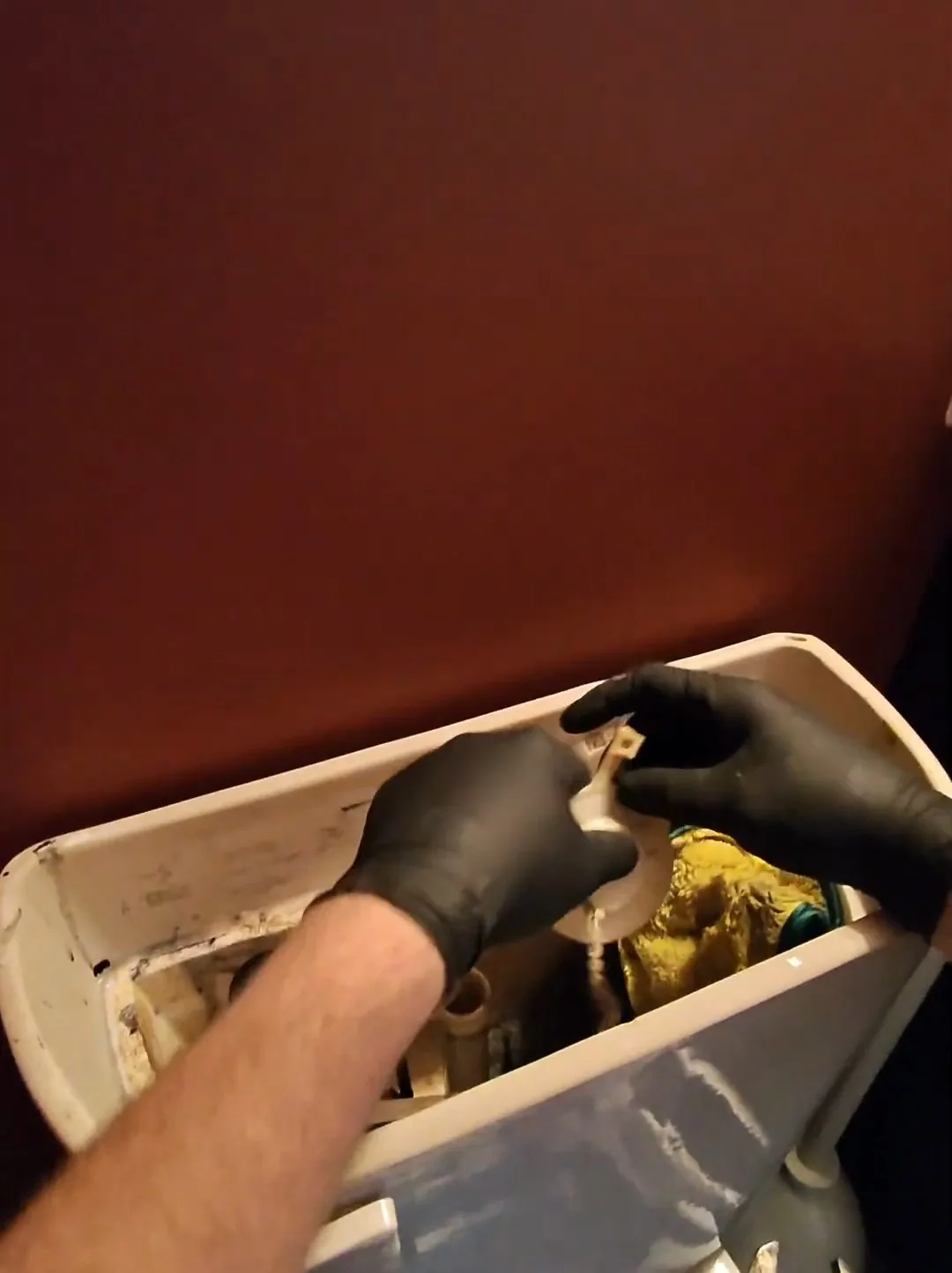
A toilet that keeps running is almost always a worn part, not a failed toilet. The tank holds a flapper that seals the drain, a fill valve that refills the tank and a float that tells the valve when to stop. When one of them fails, water leaks from the tank into the bowl or the valve never shuts off. A clogged toilet is a different problem: the blockage is in the bowl or the line beyond it.
| What you notice | Likely part | Usual fix |
|---|---|---|
| Runs after the flush, or refills every few minutes | Flapper that no longer seals | Replace the flapper |
| Water hisses and never stops filling | Fill valve or float set too high | Adjust or replace the fill valve |
| Weak flush | Clogged rim jets, a short flapper chain or low tank water | Clear the jets, adjust the chain and water level |
| Water at the base of the bowl | Worn wax ring or loose closet bolts | Reset the toilet on a new seal |
| Wobbly toilet | Loose bolts or a damaged flange | Tighten, shim or repair the flange |
A few safe checks come first. Lift the tank lid and look for a flapper that is warped or does not sit flat. Put dye in the tank and wait without flushing; color showing up in the bowl confirms a flapper leak. Close the small valve behind the toilet if water will not stop. Anything beyond that, such as a wobbling base or a leak around the bottom, is a plumber's visit.
- Look at the flapper and the chain: slack or tight chains both cause trouble
- Use dye in the tank to test for a silent leak
- Close the supply valve behind the toilet if water keeps running
- Note whether other fixtures are slow, which points to a drain problem instead
Dripping Faucet Repair: Cartridge, Washer or Whole Faucet?
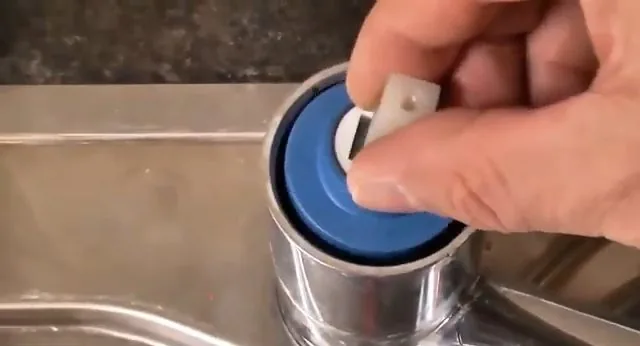
A drip is a worn internal part. In a single-handle faucet it is usually a cartridge. In a two-handle faucet it is a washer, a seat or an O-ring. Replacing the part ends the drip when the faucet body is sound. When the faucet is corroded, pitted or too old to find parts for, replacement is the better answer, and a new faucet also gets you a modern aerator and shutoff.
Ask the plumber whether the drip is from the spout, the base of the handle or underneath the sink. A spout drip is a cartridge or washer. A leak around the handle is an O-ring or packing. Water under the sink may be from the faucet supply lines, the shutoff valves or the drain, and the plumber should check all three before blaming the faucet.
Tell the dispatcher what it does and where the water goes. It shapes the first visit.
Shutoff, Supply and Angle Valves That Will Not Shut Off
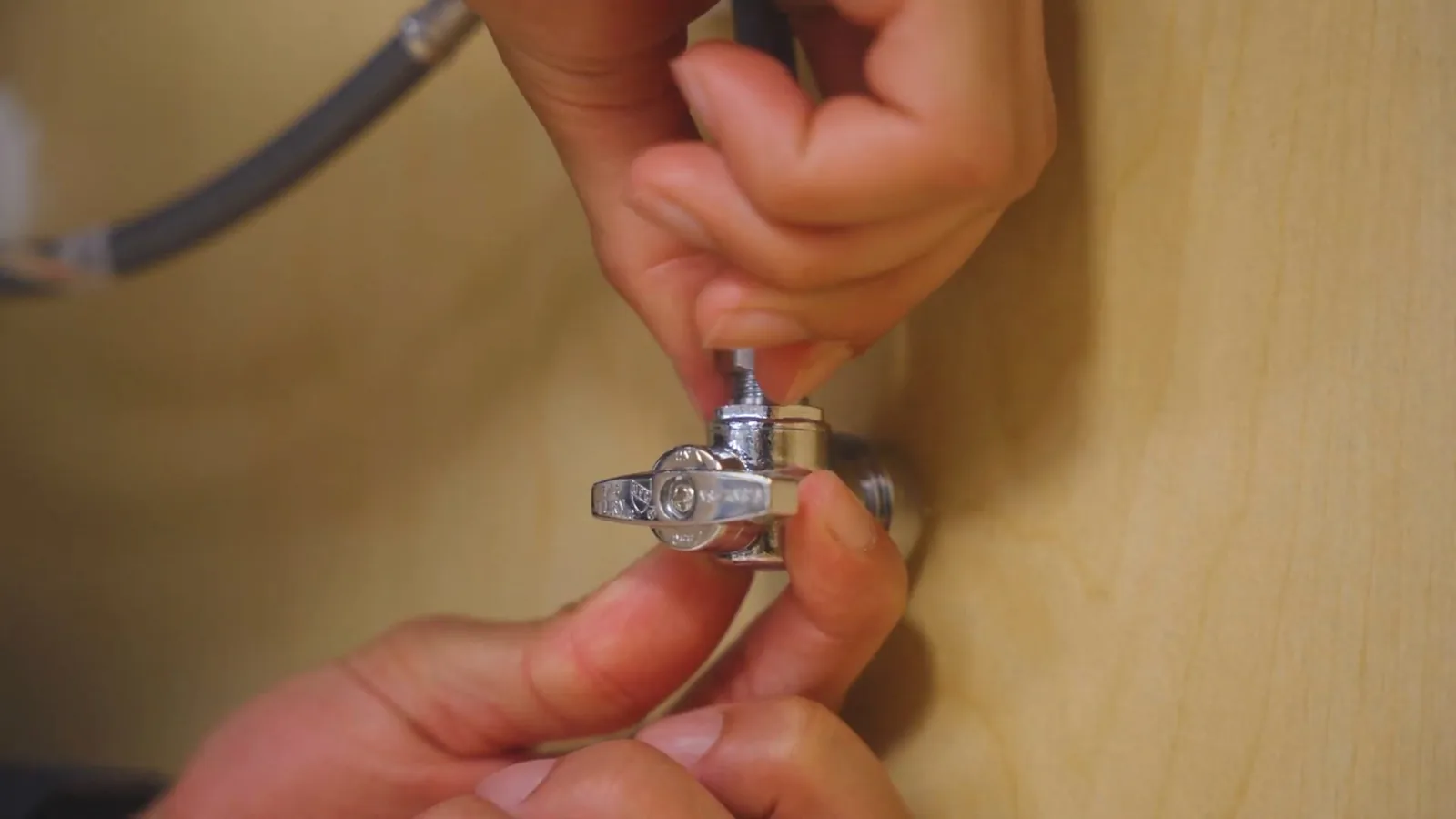
Every sink and toilet has a small valve on the supply line that should close the water to that fixture alone. These valves are used rarely, so they stick, corrode and weep around the stem. A valve that will not turn should not be forced, because the stem can snap and open a leak. If a toilet shutoff valve leaks, the usual cause is a worn packing nut or washer, and the valve is replaced rather than patched. Replacing the valve is a small plumbing job, but the water to the house must be shut off at the main to do it, and the valve itself may be old enough to need a new supply line too.
Shower Valve and Showerhead Leaks
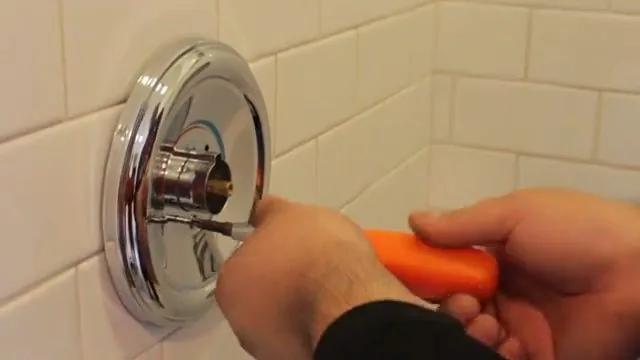
A showerhead that drips after the water is off may need a new washer or a cleaned head. A leak behind the wall, a handle that is hard to turn or water that will not turn fully hot or cold points to the shower valve or its cartridge. Replacing a cartridge is often possible from the front of the wall. A valve that needs replacing may need access from behind, through a tile wall or a nearby closet. Ask the plumber where the opening will be and who repairs the finish. Ask, too, whether the valve is being replaced with the same type, because a mismatched trim kit means a visit to the supply house, and whether water pressure and temperature balance were checked afterward. A shower that scalds when another fixture is used points to a valve that balances pressure poorly, which is a reason to replace instead of rebuild.
Bathtub Problems: Slow Drain, Leaking Spout or Worn Overflow
A tub has three places to leak: the spout, the valve behind the wall and the drain with its overflow. A spout that drips after the shower is diverted may need a new diverter. A drain that empties slowly is usually hair and soap just below the stopper, a clog the clearing a slow tub drain page describes. Water that appears on the ceiling below after a bath is a different case, and it points to the overflow gasket, the drain seal or the trap. Ask for a tub fill-and-drain test before the plumber leaves. Fill the tub above the overflow, then drain it, and watch the ceiling or access panel below for a drip. If the tub sits on a slab or against an exterior wall, say so on the call, since access to the drain differs.
Bathroom Sink and Vanity: Faucet, Supply or Drain?
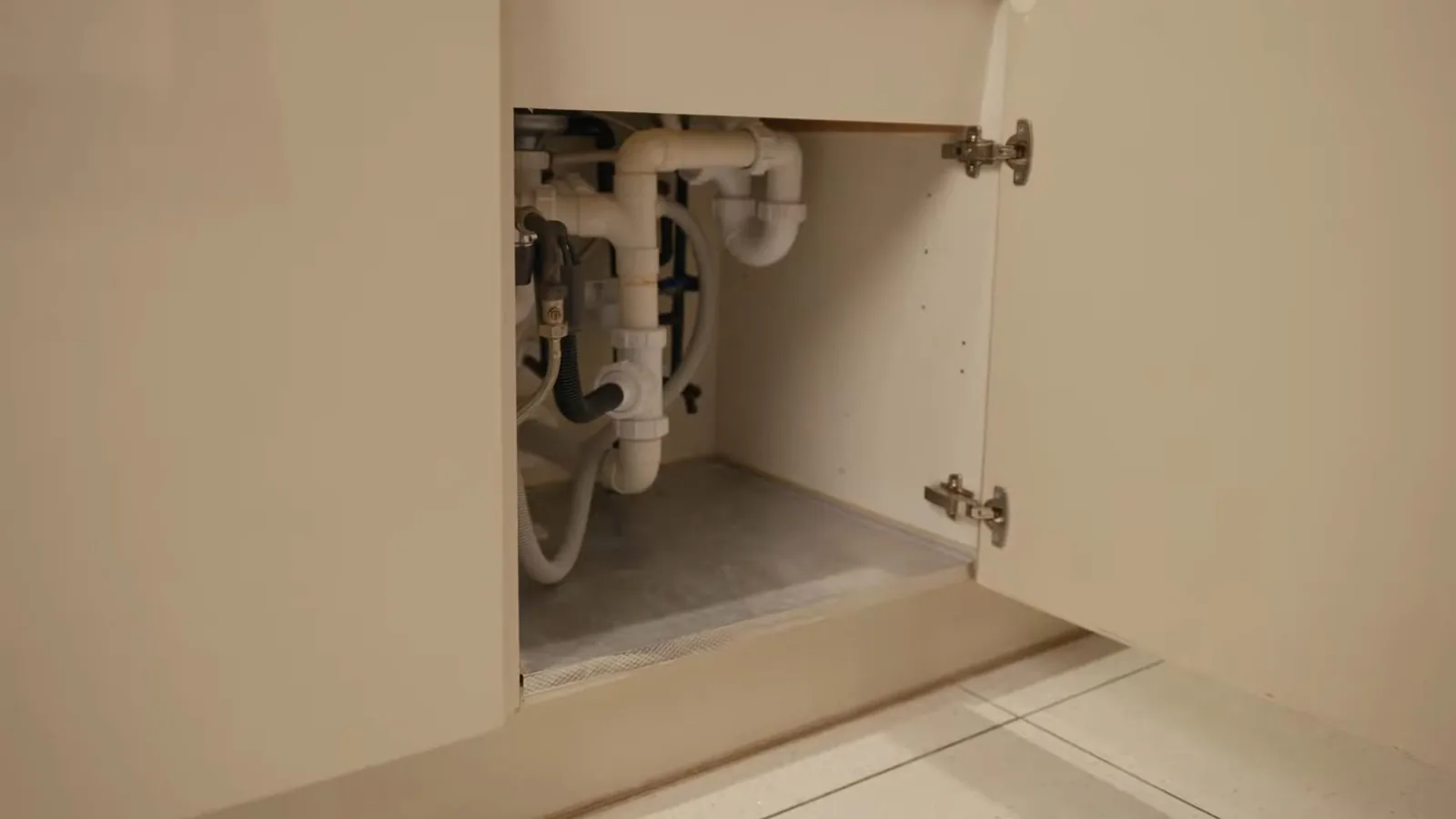
Water in the vanity cabinet has three suspects. The faucet and its supply lines leak under pressure and drip when the water is on. The drain and trap leak when the sink empties. A leak that appears only when you run the faucet is a supply problem; one that shows when you drain the sink is a drain problem. Feel along the joints with a dry paper towel to find the wet spot. A plumber can then replace a supply line, tighten or replace a trap, or reseal the drain. Replace braided supply lines when they are old, because the inner hose can fail without showing it. If the vanity top is stone or has a sealed edge, mention it on the call, since removing the sink may need extra care.
Kitchen Sink: Faucet, Sprayer and Supply Questions
A kitchen faucet works harder than a bathroom one, and a pull-down sprayer adds a hose that can fail under the sink. A drip from the spout or a weak stream often means a clogged aerator or a worn cartridge. A leak under the sink might be the faucet hose, the supply lines or the drain. If the sink also has a disposal, check the connection there, and see the garbage disposal repair Artesia page for jams and leaks beneath it. Ask whether the faucet's supply lines, the shutoff valves and the sprayer hose are all being checked, since they are all the same age. A faucet with a pull-out hose also needs its weight clip and its connection checked, because a hose that no longer retracts rubs the cabinet and wears through.
Replacing a Toilet or Faucet: In Place or Moved?
Replacing a toilet or faucet with a similar one in the same spot is a like-for-like job. Moving a fixture, adding one or changing a drain is different, because it means new pipe. The City's permit form names fixture water piping and drainage or vent piping, and code text on other cities' pages exempts only work where no pipe, valve or fixture is replaced. Whether Artesia treats your job as a swap or as new piping was not confirmed, so ask the plumber which it is and call the Building and Safety office, (562) 865-6262.
Toilet installation, faucet installation, sink installation, shower installation and bathtub installation are routine fixture work when the pipes stay where they are. A few jobs sit between repair and remodel. Washer, dishwasher and ice maker hookups need a supply valve and a drain connection. Specialty installs such as ADU plumbing installation for an accessory dwelling unit bathroom, a wet bar, a laundry room, a tub-to-shower conversion, toilet relocation and installation, or dual-flush toilet installation each need a plan for supply, drain and vent before anything is bought. A bidet seat needs a nearby outlet and a water tee. Ask for the plan in writing.
Also handled: remodel and renovation rough-in plumbing, plumbing installation for fixtures, and outdoor faucets and hose bibs.
Toilet, Faucet and Shower Questions Answered
What causes a toilet to keep running?
Most often a flapper that no longer seals, a fill valve that will not shut off or a float set too high. A chain that is too short or too long can also hold the flapper open. A worn part, not the toilet, is usually the cause.
How do I stop a toilet that keeps running?
Lift the tank lid and check that the chain has a little slack and the flapper sits flat. If the flapper is warped, replace it. If water hisses even with the flapper closed, adjust the float or replace the fill valve. Close the valve behind the toilet if it will not stop, then call.
My toilet shutoff valve is leaking. Can it be fixed or does it need replacing?
A drip around the stem may stop with a snug packing nut, but valves that have been left open for years often leak again. Replacement is the more reliable fix. Do not force a stuck valve, since the stem can break.
Why is my showerhead or shower valve leaking?
A showerhead that drips usually needs a washer or cleaning. A leak at the handle or a handle that is hard to turn points to the valve cartridge. A leak inside the wall needs a plumber to open and inspect it.
Running Toilet or Dripping Faucet? Call Now
Name the fixture and what it does. The dispatcher takes it from there.
Call (562) 271-1710