
Home>Services>Slab leak detection
Hearing Water Run When Everything Is Off? Emergency Slab Leak Repair in Artesia, CA
Phone the dispatch line and say what you hear or feel: running water with every tap off, a warm patch on the floor, a meter that will not sit still. The dispatcher arranges for a network plumber who covers Artesia and asks you to close the main shutoff while you wait.
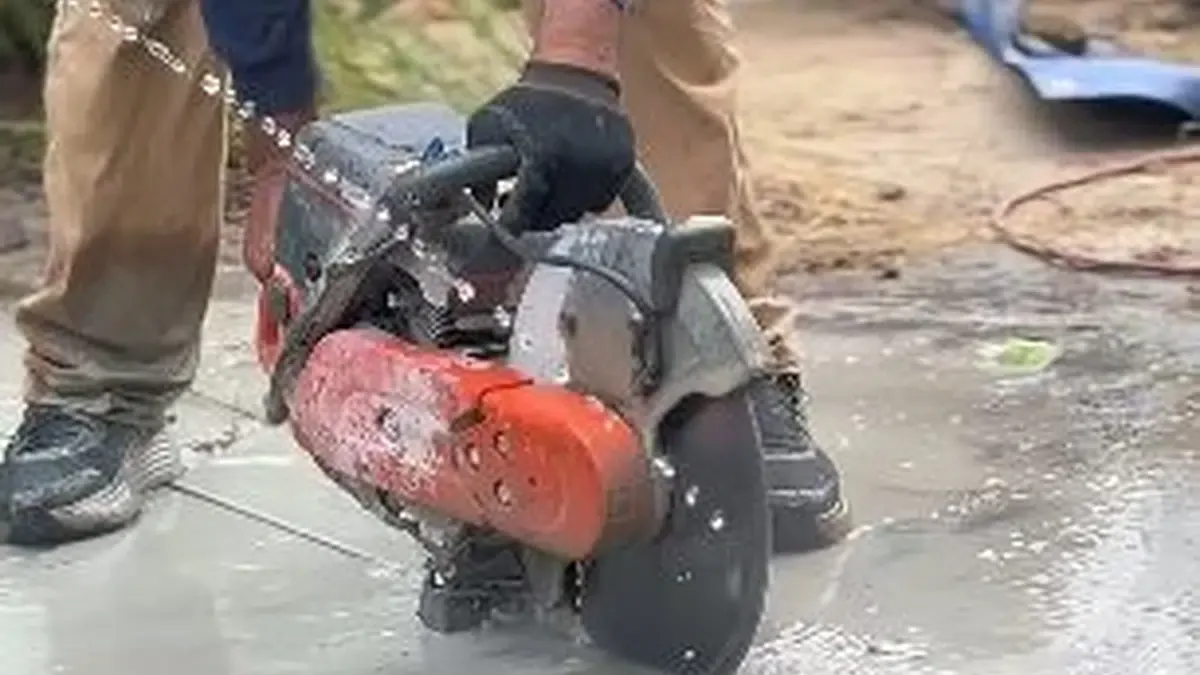
Slab Leak Detection: How the Leak Is Located Before Anyone Cuts Concrete
A slab leak is a leak in a pipe that runs under or inside a concrete floor. Because nothing is visible, slab leak location is most of the job. The plumber confirms that water is being lost, works out which line it is, and then listens along the floor to pin the spot to within a few feet. Spotting a slab leak early limits the damage. Only then does anyone decide where, or whether, to open the floor.
The symptoms that usually bring people to call are easy to recognize once you know them. A slab leak causing water damage is the stage you want to avoid.
- Water running or hissing when every fixture is off
- A floor that feels warm in one spot, especially tile or laminate
- A water bill that rose with no change in how you live
- A meter that moves with the main shutoff closed at the house
- Damp carpet or baseboard along an exterior wall, or a musty smell with no visible source
- Low hot-water pressure while cold-water pressure is normal
None of these proves a slab leak. A leaking water heater, a running toilet or a hidden wall leak can look the same from the kitchen. The plumber rules those out first, and the general steps are on the leak detection page. Not every Artesia home sits on a slab. We could not find a source for how many do, so a home on a raised foundation can have a similar leak under the floor, and the same listening methods apply.
SafetyDo not drill, chisel or break the floor to look for the pipe yourself. You can cut a live line, a gas line or an electrical conduit, and the water will not stop. Close the main shutoff and call.
Concrete Slab Plumbing Repair: Spot Repair, Reroute or Repipe
Once the leak is located there are three realistic choices. Which one makes sense depends on how many leaks the lines have had, where the pipes run, and how much of the house you are willing to open. Ask the plumber to lay out all three even if one is clearly the favorite.
| Option | What it involves | When it tends to fit |
|---|---|---|
| Spot repair | Open the floor above the leak, cut out the damaged section and replace it | One isolated leak in otherwise sound pipe, with easy access to the spot |
| Reroute | Abandon the leaking line and run a new one through the attic or walls to the same fixtures | A leak in a line that serves a few fixtures, where the walls are easier to open than the floor |
| Repipe | Replace the water lines serving the house, usually overhead or in the walls | Repeat leaks, or pipe that looks worn in more than one place; see repiping Artesia |
Other methods exist, including trenchless tunneling under the slab, lining a pipe from the inside and coating it with epoxy. Whether they are available depends on pipe size, material and access, so treat them as questions for the plumber rather than promises. Slab leak detection and rerouting often go together, because a rerouted line avoids opening the concrete a second time.
Aggregators using Census figures put the median Artesia home near the mid-1960s, and a property-data report puts ZIP 90701 closer to 1961, so many are midcentury homes. Those are secondary sources and a reason to ask about pipe condition, not a statement about what is under your floor. Residential slab leak repair of any of these homes begins with the same location step.
Describe the sound and the meter reading to the dispatcher. They will tell you what to do while you wait.
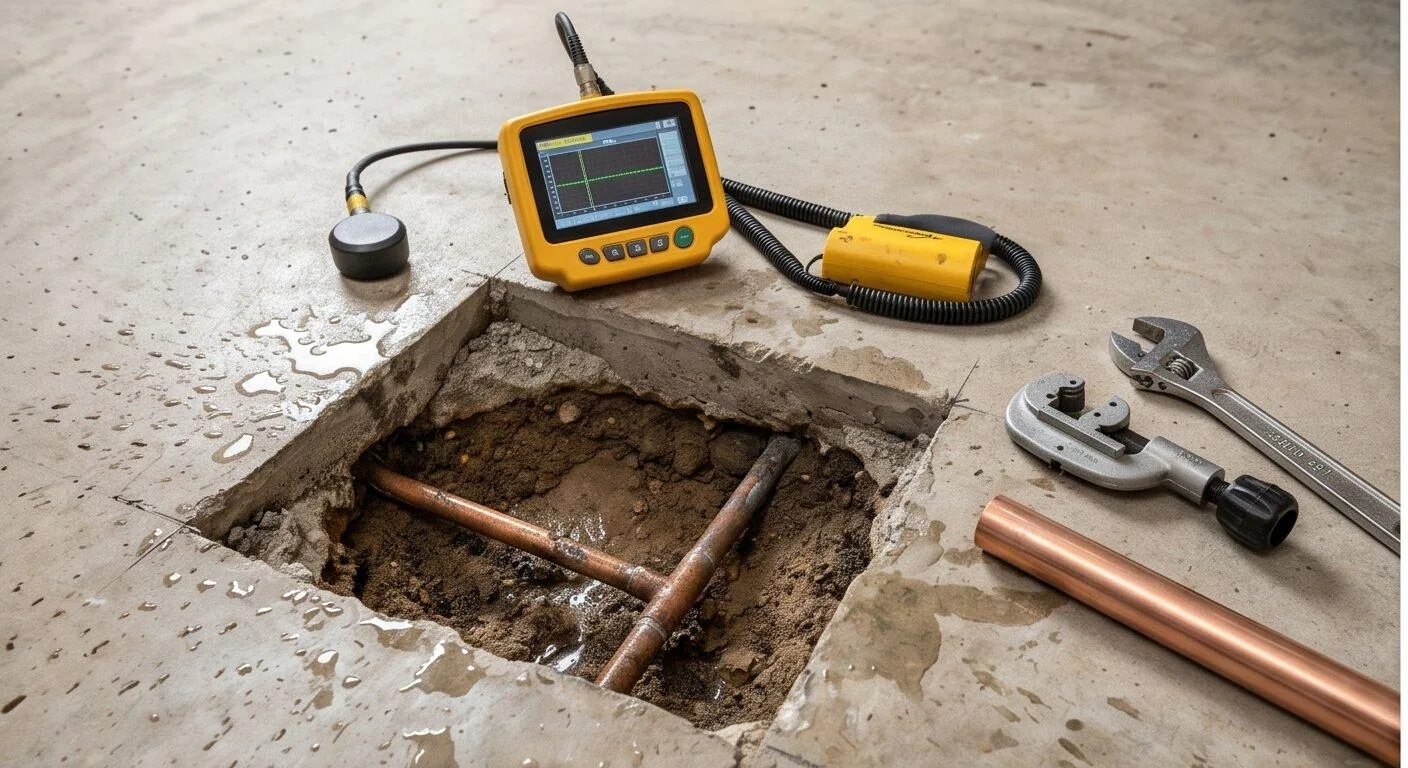
Does a Slab Leak Mean Foundation Damage? What to Ask a Slab Leak Plumber
A leak under a slab can soften the ground beneath it, and Artesia's General Plan environmental document describes younger sandy and silty soils across the city, some rated high for expansion. That is context, not a diagnosis. It does not tell you your house has moved. It does mean the questions are worth asking before the floor is closed again, and a foundation leak inspection of the slab edge and cracks is one of them. Slab leaks affecting foundations are possible but not the usual outcome of a single leak.
- How was the leak located, and can you show me the reading or the spot?
- What will be opened, how large is the opening, and who restores the finish?
- Is the repair a spot fix, a reroute or a repipe, and what happens if another leak appears?
- Does the work need a permit, and who pulls it?
- Will you photograph the pipe and the area before it is covered?
- Is there any sign of settling or cracking that a structural professional should look at?
If water has been under the floor for a while, the damage side is a separate job. Drying, mold testing and removal of wet materials are described on the water damage restoration Artesia page.
After an Earthquake: A Meter Check in a Liquefaction-Zone City
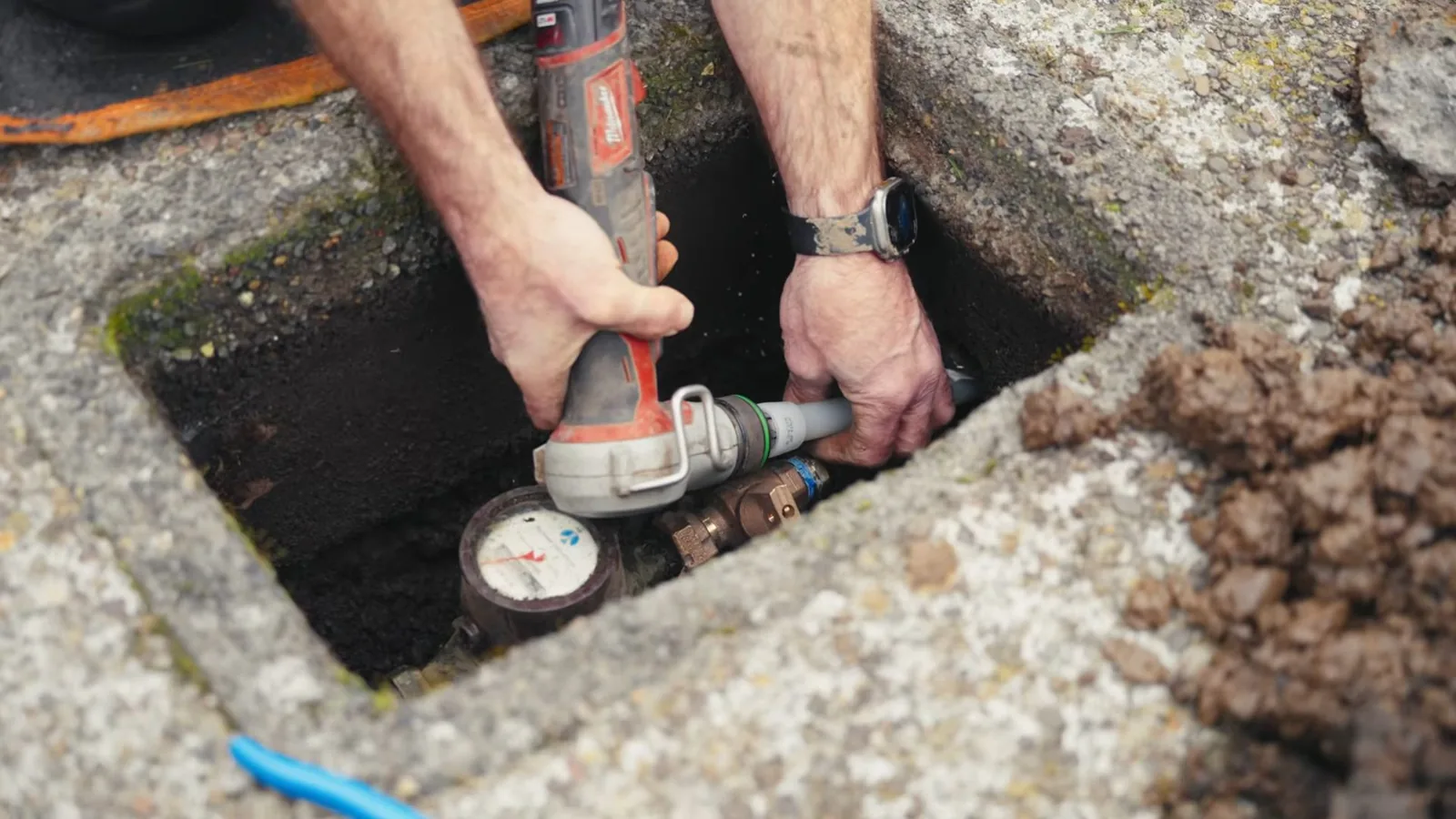
The City's General Plan environmental document, using 1999 mapping, places all of Artesia in a liquefaction zone. After a strong earthquake, the useful step is simple and general practice, not something that document prescribes. Turn off every tap, read the meter, wait twenty minutes and read it again. A moving meter means water is escaping, and a pressure test before the walls are closed makes more sense than finding the line later.
Permits and Insurance Paperwork for a Slab Leak
Replacing pipe is new work under the state plumbing code text, and Artesia's permit form lists replacement branch and fixture water piping among its items. The permit rules for a plain leak stop are on the leak detection page. For a reroute or repipe, phone the City's Building and Safety office on (562) 865-6262 before the floor is opened and ask what it needs.
Slab leak insurance claims assistance from your insurer starts with records. The useful ones are the plumber's written description of where the leak was and why, photos before and after the floor was opened, any moisture readings, and the invoice. We cannot tell you what your policy covers; read the policy or ask your insurer before work begins, and keep every record.
After dark the call still goes to the dispatch line; the homepage lists the after-hours steps under emergency plumber.
Also handled: emergency and same-day slab leak calls, and the signs listed above.
Slab Leak Questions, Answered Plainly
What are the early warning signs of a slab leak?
A rising bill with no change in use, a hissing or running sound when everything is off, and a floor that feels warmer in one spot are the usual first signs. The strongest sign is a meter that keeps turning after the main shutoff is closed. Test that before calling so you can tell the dispatcher what you found.
What does a slab leak look like?
Often it does not look like anything. The signs are indirect: a warm or damp patch, lifted flooring, wet carpet along a wall, a musty smell or cracked grout in a line. Pooled water on the floor can also come from an appliance, so a plumber rules those out before deciding the water is under the floor.
Will insurance cover a slab leak?
We cannot say; coverage depends on your policy. What helps any claim is documentation: the plumber's written findings, photos before and after, moisture readings and the invoice. Ask your insurer what it requires before work starts, because some policies want to see the damage first.
Do I need a plumber for a slab leak, or can it wait?
You need a plumber to confirm and locate it, because the leak is hidden and the wrong guess means an opened floor with nothing in it. It does not have to be a midnight call if you can close the main shutoff and the water stays off. Water that keeps flowing into the house is a reason to call right away.
Warm Floor or Running Water Sounds? Call Now
Tell the dispatcher what you hear and where, and a network plumber is lined up for your address.
Call (562) 271-1710