
Water Bill Jumped or a Wet Spot on the Wall? Emergency Leak Detection in Artesia, CA
Call the dispatch line and describe what you are seeing: a water bill that jumped, a damp patch on a wall, the sound of water running when every tap is off. The dispatcher hands the call to a network plumber who covers Artesia, and the first question is usually the same one: is water running right now?
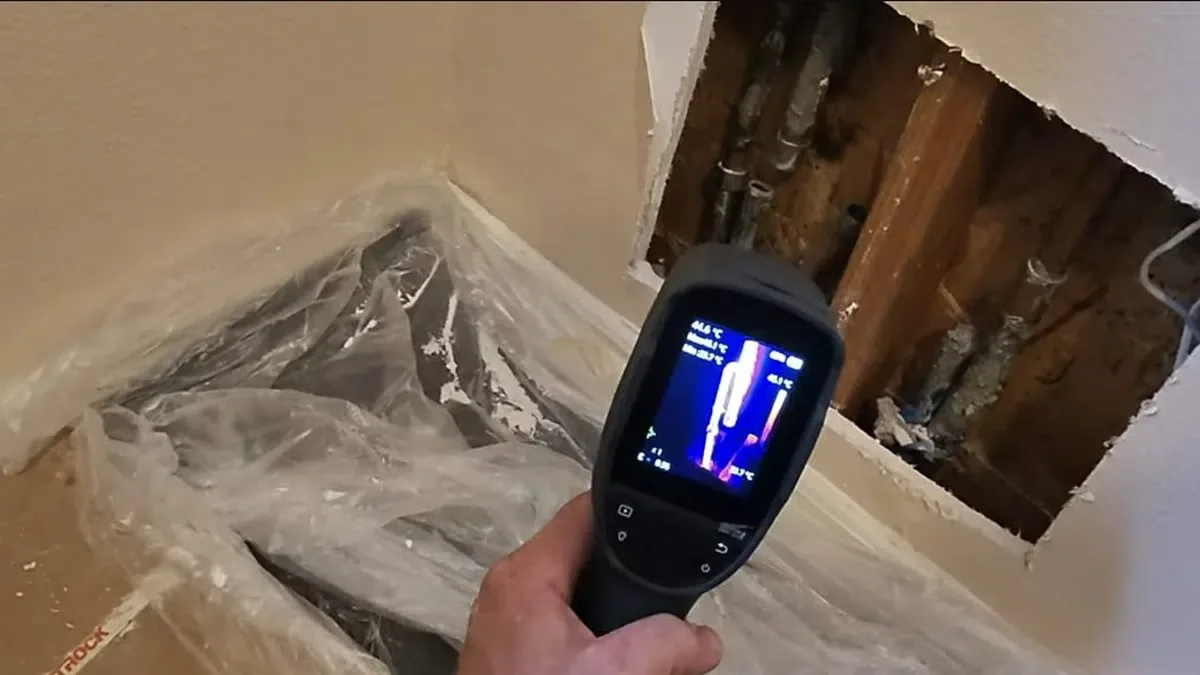
Leak Detection Service in Artesia: Finding the Source Before Anything Is Opened
Residential leak detection has one job: to locate the leak, so that the repair opens as little wall, floor or yard as possible. The plumber starts with questions. When did you notice it, does the sound change when a toilet flushes, and is the water bill the only sign? Leak history matters too, so mention earlier repairs. Then the plumber inspects each fixture for leaks and tests the line in sections, using listening devices and leak locators, moisture meters, and infrared or thermal imaging cameras to pin the spot. Pressure testing confirms which section is losing water, and the plumber should note the precise leak location in writing.
Before anyone is called, you can run the one test that tells you whether there is a leak at all.
- Turn off every tap, and stop the dishwasher, washing machine and ice maker. A softener or irrigation clock that cycles by itself can move the meter, so note whether you have either.
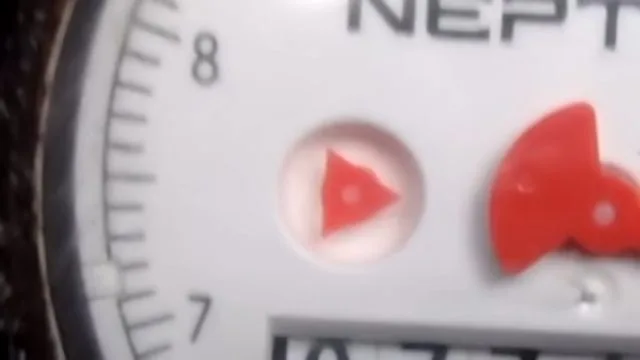
- Find the water meter and look at the small leak indicator, a dial or triangle that spins when any water passes. If the meter reads in digits, write them down.
- Wait fifteen to thirty minutes without using water, then look again. A spinning indicator or changed digits mean water is going somewhere.
- Shut the valve at the point where the water line comes into the house, then read the meter once more. If it still moves, the leak is between the meter and that valve, which is a different problem from a leak inside the house.
What this test cannot tell you is where the water is going. It also cannot tell you whether the leak is on your side of the meter. Both answers decide who fixes it.
Leak Repair in Artesia: What Gets Opened and What Gets Documented
Once the leak is located, the repair choice follows the pipe. A leaking fitting is a small job. A split in a copper line may be a section replaced with a new length. A pinhole in an old line raises a bigger question, because the next pinhole is usually close behind. Ask the plumber to tell you which of those you are looking at, and ask what will be cut open to reach it.
Ask for the leak location documentation in writing or in photos, the size of the opening, and who patches drywall or flooring afterward. If water has already reached insulation or subflooring, that cleanup is a separate scope, covered on the water damage restoration page.
Permits matter here in a specific way. Under the state plumbing code text we read on Pomona and West Covina city pages, stopping a leak needs no permit unless pipes, valves or fixtures are replaced or rearranged, and replacing a section of pipe counts as new work. We could not confirm that Artesia adopted that wording as written, so ask the plumber whether your repair needs a permit and check with the City's Building and Safety office at (562) 865-6262.
Describe the meter reading and what you can hear. The dispatcher will tell you what to expect next.
| What you notice | Likely source | What the plumber checks |
|---|---|---|
| Water bill up, no visible water | A leak on the supply side, a running toilet or a slow fixture leak | Meter test, then each toilet with dye, then the pipe between the meter and the house |
| Damp or stained wall or ceiling | A supply or drain line inside the wall, or water from the roof or an upstairs fixture | Moisture readings, fixtures above, the roof if the stain follows rain |
| Warm spot on the floor or running-water sound at night | A hot-water line under the floor | Slab or subfloor listening, pressure test of the hot side |
| Wet patch in the yard or at the curb | The service line, a yard valve or a sprinkler line | Which side of the meter it is on, then the line itself |
| Low pressure in every tap | A leak on the main, a failing pressure regulator or a partly closed valve | Pressure at a hose bib, the regulator, the shutoff valve position |
Fixture Leaks: Toilet, Faucet and Shower
The most common leak in a house is also the easiest to find. A toilet whose flapper no longer seals can lose a surprising amount of water without a sound, and it shows up on the bill long before it shows up on the floor. Add a few drops of food coloring to the tank, wait without flushing, and look in the bowl. Color in the bowl means the flapper or fill valve needs work. Dripping faucets and shower valves leak the same quiet way, and a leaky faucet that wastes a little every minute adds up on the bill. Appliance leaks belong here too: the supply hose behind a washing machine or dishwasher can seep for weeks before the floor shows it. Repairs for these are described on the faucet repair page, and a good leak visit checks them before cutting anything open.
Hidden Leaks Under Floors, Walls and Yards
A hidden leak is the one that makes people call, and suspected leaks in a slab, a wall or the yard are all handled the same way: confirm with the meter, then locate. Water that runs through a pipe inside a wall may leave only a faint stain, a musty smell or a patch of paint that will not stay on. A leak in the line under a floor can warm the floor above it. Outside, the line that carries water from the meter to the house can leak for months under lawn or a driveway before the ground shows it. When the water is under concrete, the work is described on the slab leak repair page. When it is outside the house, underground leak detection starts at the meter, and the water line repair page covers the service line and underground pipe repair.
Three smaller cases belong here too. A leak under a raised floor, in a crawlspace or, in a house that has one, a basement, is found by looking and listening from below. A wall or ceiling leak is traced from the stain upward, because the wet spot is rarely under the source, and attic plumbing leaks show up as stains on the ceiling beneath. A sprinkler leak outside the house is usually an irrigation contractor's work; the plumber can tell you whether the water is coming from the house side.
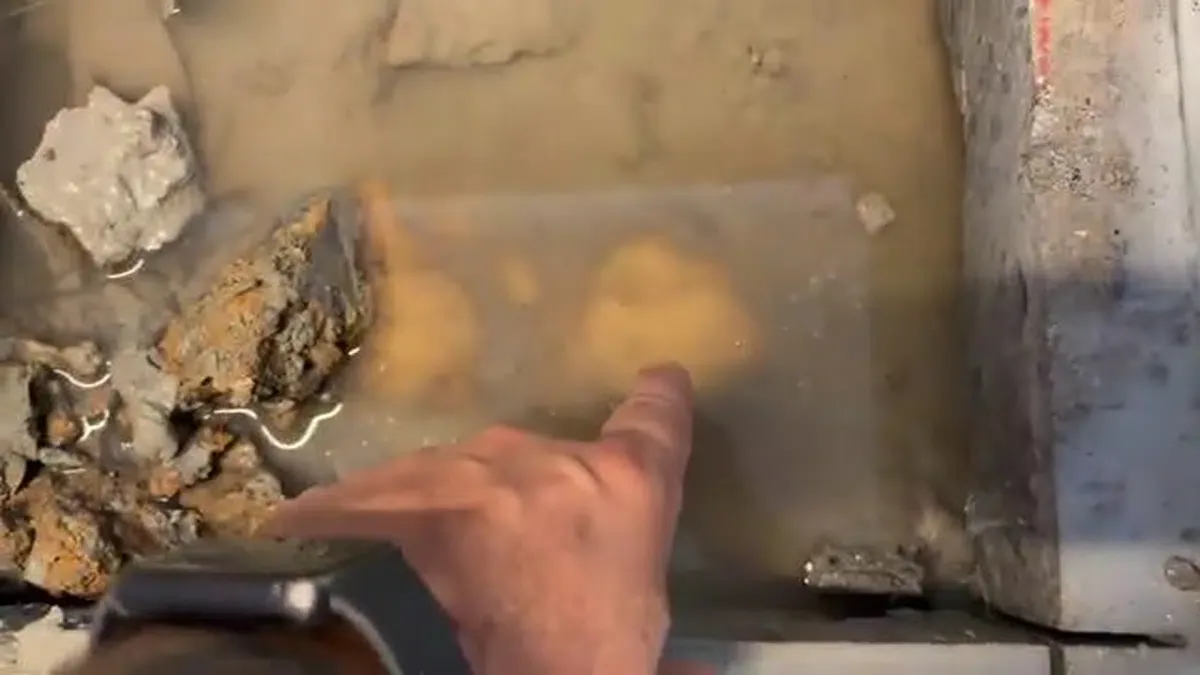
Catch Small Leaks Early: Warning Signs and the Price of Waiting
Most serious water damage began as a small leak somebody could have caught. Watch for hidden leaks by noticing what has changed.
- A musty smell or unusual humidity that hides a leak behind a wall or under a floor
- Banging pipes, or a hissing or running sound when nothing is on
- Low pressure that appears at every tap
- A leaky ceiling causing water stains that grow after the same fixture is used
- A bill that rises with no change in how you live
Ignoring small leaks is how they turn into structural damage from prolonged leaks, rotted framing and mold. A damp area that will not dry, or paint that bubbles in the same place, is the moment to act. For musty smells and suspected mold after a leak, see mold testing and drying.
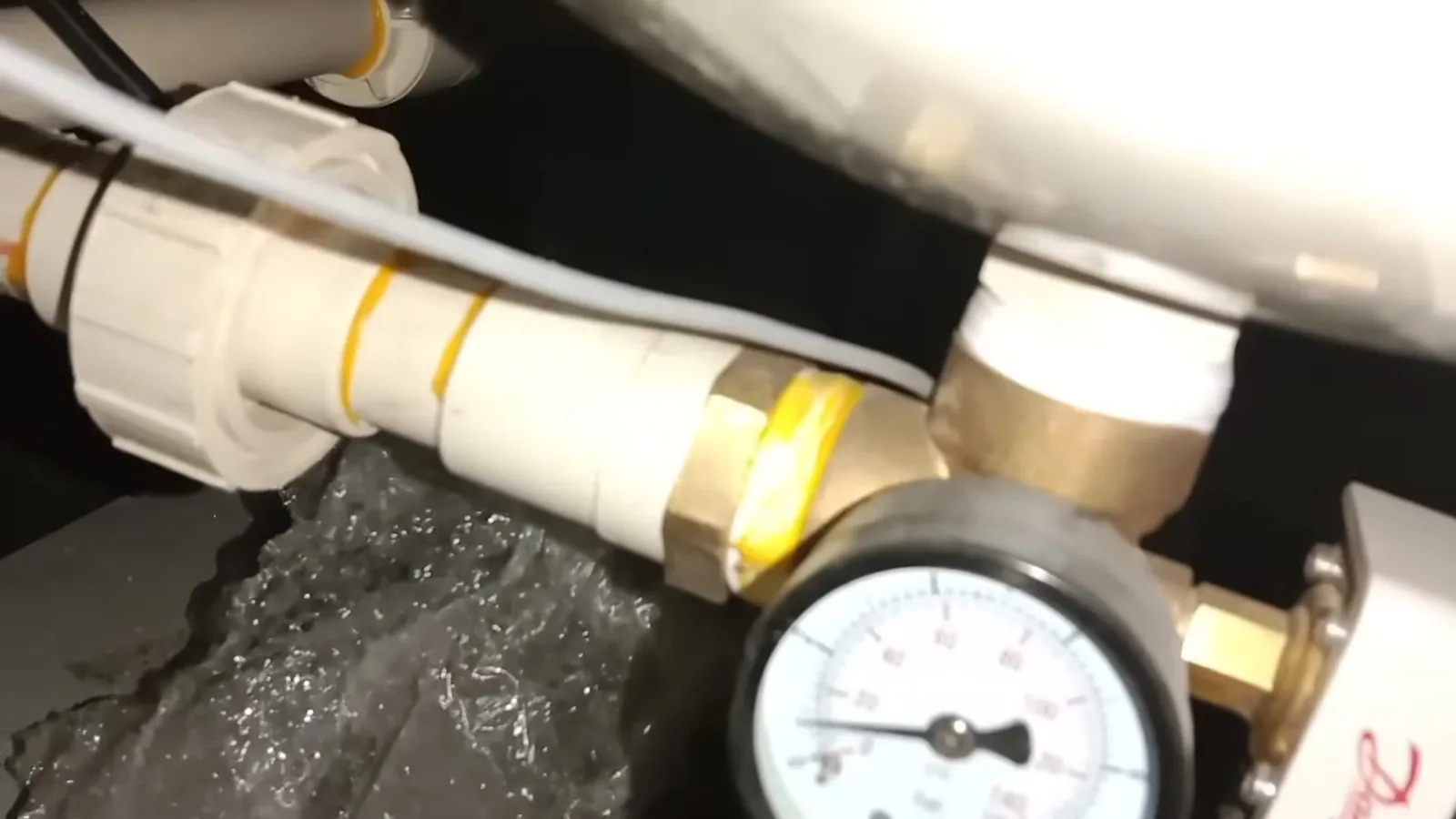
Pipe Condition Checks: What the Inspection Should Tell You
Finding one leak is a good moment to ask about the rest of the system. Estimates put the median home in Artesia at around the mid-1960s, though that figure comes from an aggregator reporting Census data, not from the City. No source tells us which pipe materials those homes carry, so ask the plumber to identify the pipe in your walls, to note its condition at the places they opened, and to say whether the leak looks like a one-off or a sign of wear. If it points to wear, the repiping page explains when replacing the line makes more sense than chasing each failure.
Whose Leak Is It? Two Water Systems Serve Artesia
The meter is the dividing line. The pipe on the street side belongs to the water utility, and the pipe on the house side is yours. Which utility that is depends on where you live, because two systems serve the city.
Check which utility sends your bill
Golden State Water says its Artesia System has nearly 11,000 customers in the city. Another, smaller area is served by a system the City of Norwalk owns, and the City of Norwalk has approved a sale of it to Golden State, which is pending before the state utilities commission. The neighborhood boundary between the two was not published where we looked.
If the leak is on the utility's side of the meter, tell your utility, not a plumber. If you cannot tell which side it is on, the meter test above and the dispatcher's questions will sort it out.
After an earthquakeA 1999 liquefaction map in the City's General Plan documents covers all of Artesia, so a quake can shift buried lines. Afterward, check the meter with all fixtures closed; a turning dial means a pressure test is worth requesting before the ground or the walls hide a broken line.
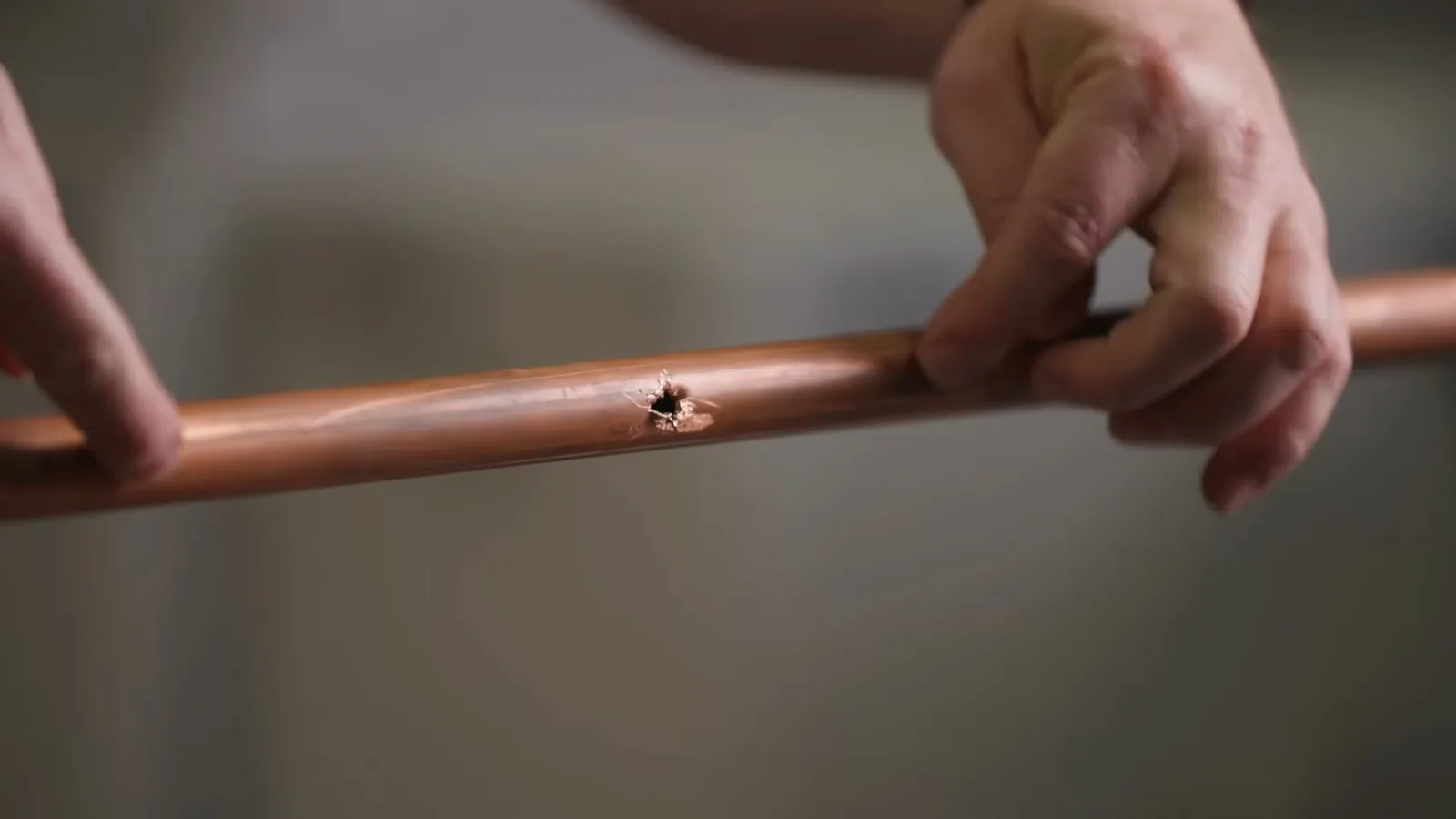
When the Leak Has Already Done Damage
Water that reaches carpet, drywall or insulation needs drying, and the plumber's job and the drying job are not the same one. Photograph everything before it is moved, close the shutoff valve, and read the page on water removal and drying for what that work involves. Emergency and same-day leak calls work at any hour: the homepage lists what happens on an after-hours call under emergency plumber Artesia.
Also handled: water meter and high water bill checks, under-house and crawlspace leaks, wall and ceiling leaks, pressure and hydrostatic testing, and electronic, thermal and acoustic detection.
Leak Questions Artesia Homeowners Ask
Is a wet spot near the outside water valve a plumbing leak or the utility's?
Look at where the water comes from. If it rises around the valve or meter box at the curb, the utility owns that equipment, so report it to your water utility. If the water is on the house side of the meter, such as at a hose bib or the line running to the house, it is yours. Take a photo and note whether the meter moves with everything off before you call.
Is there a water leak in my area, or only in my house?
A neighborhood main break usually shows as low pressure or no water on the whole street, and the utility posts notices. Ask a neighbor, then check the meter. If your meter moves with every tap off, the leak is in your system. If your water is simply off, it is a utility matter.
What do I do about a pipe leaking in a downstairs room?
Turn the shutoff valve where the line comes into the house to closed, move belongings out of the way and put a bucket under the drip. A leak downstairs often starts upstairs, so note which fixtures are above the spot. Then call; the plumber traces it from the stain upward.
Do I need a plumber for a water leak, or can I patch it myself?
A leaking fixture supply or a dripping faucet is within reach of a careful homeowner. A leak inside a wall, under a floor or on the main line is not, because the source is hidden and the wrong repair can hide the leak without stopping it. If the meter keeps moving after you have closed every fixture valve, call a plumber.
Hidden Leak in Artesia? Call the Dispatch Line
Say what you see and where. The dispatcher lines up a network plumber for your address.
Call (562) 271-1710