
Home>Services>Repiping and pipe repair
Pinhole Leaks Keep Coming Back? Emergency Repiping in Artesia, CA or a Single Repair
A pinhole leak patched last spring has reappeared in another spot, and the ceiling stain is back. Call the dispatch line, say how many leaks the pipes have had, and a network plumber is sent to tell you whether one more repair is sensible or whether the pipes are done.
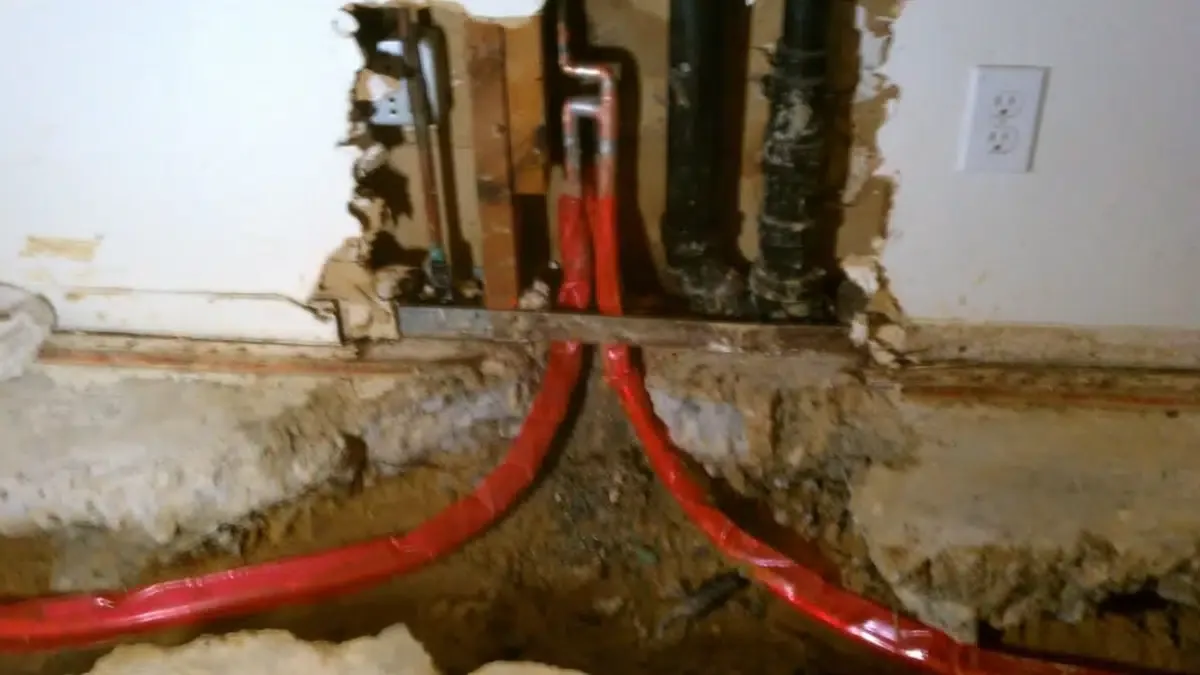
Pipe Repair or Repipe? Counting the Leaks
The question under every pinhole leak is whether it is one leak or the first of many. Premature wear on plumbing components, such as pipe worn thin from the inside, usually shows in more than one place, so a repair that stops this leak may only delay the next. A pipe that was damaged once, by a nail or a failed joint, can be repaired and forgotten. The plumber tells them apart by the pattern: how many leaks, how close together, how old the pipe and what it is made of.
| What you see | Points to | Usual choice |
|---|---|---|
| One leak at a joint or a damaged spot | A single failure | Repair that section |
| Two or three leaks within a short period | A pipe wearing through | Ask for a repipe scope next to the repair scope |
| Pinholes in different rooms | Wear throughout the line | Repipe the whole system or a large section |
| Leak in a buried or under-slab line | A line you cannot reach | Reroute or repipe; see under-slab leaks |
Estimates built on Census figures put the typical Artesia house at around 1965, and one property report has ZIP 90701 nearer 1961. Both are secondary, so treat them as a reason to ask rather than a fact about your walls.
Pipe Replacement and Whole-House Repiping in Artesia
Whole-house repiping replaces the supply lines that feed every fixture. The plumber runs new pipe, usually through the attic and walls, to each sink, toilet, shower and appliance, connects it to the main shutoff, and removes or abandons the old lines. Walls are opened at certain points and patched. Ask for the pipe material, the routing plan, how many wall openings there will be, who patches and paints, and how long the water will be off each day.
A partial repipe replaces one branch or the worst section. It involves less work and may fit a house where only the hot-water line has failed. Ask whether the sections you are not replacing are in the same condition, so you do not buy a repair that has to be repeated next year. Ask, also, for a camera or pressure test of the rest if the plumber thinks it worthwhile.
Tell the dispatcher where the last three leaks were. The pattern helps the plumber plan the visit.
Burst Pipe: Shut Off, Protect, Call
- Turn the main shutoff, where the supply comes into the house, to closed. If it sticks or you cannot find it, tell the dispatcher.
- Open a faucet at the lowest point of the house to drain what is left in the pipes.
- Keep away from outlets, cords and wet appliances. Switch the breaker off only if you can reach the panel without standing in water.
- Move belongings, set out buckets and photograph the damage before it is moved.
- Call the dispatch line and say which fixture or wall the water is coming from.
SafetyWater and electricity do not mix. If water is reaching outlets, a light fixture or an electrical panel, stay out of the room and call the dispatch line from a dry area. Do not wade through standing water near live circuits.
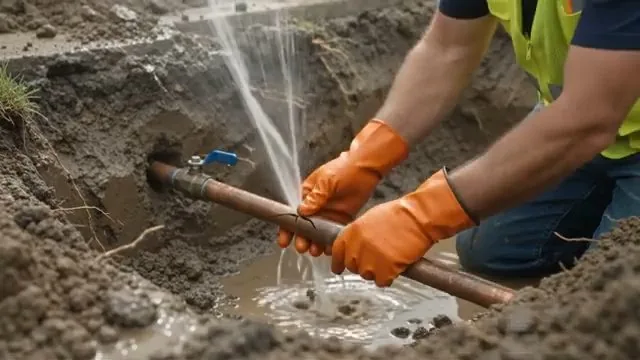
Pipe breaks come in several kinds: a failed joint, a split along the seam, a crack from impact or a line that has worn through. Broken pipes in a wall are found by following the water, and the plumber should tell you which kind you have. Water that has already reached walls and floors needs drying, and that is a separate job: see water damage restoration. A burst pipe at night uses the same dispatch line, and the homepage lists the steps under emergency plumber.
Copper Pipes and Pinhole Leaks
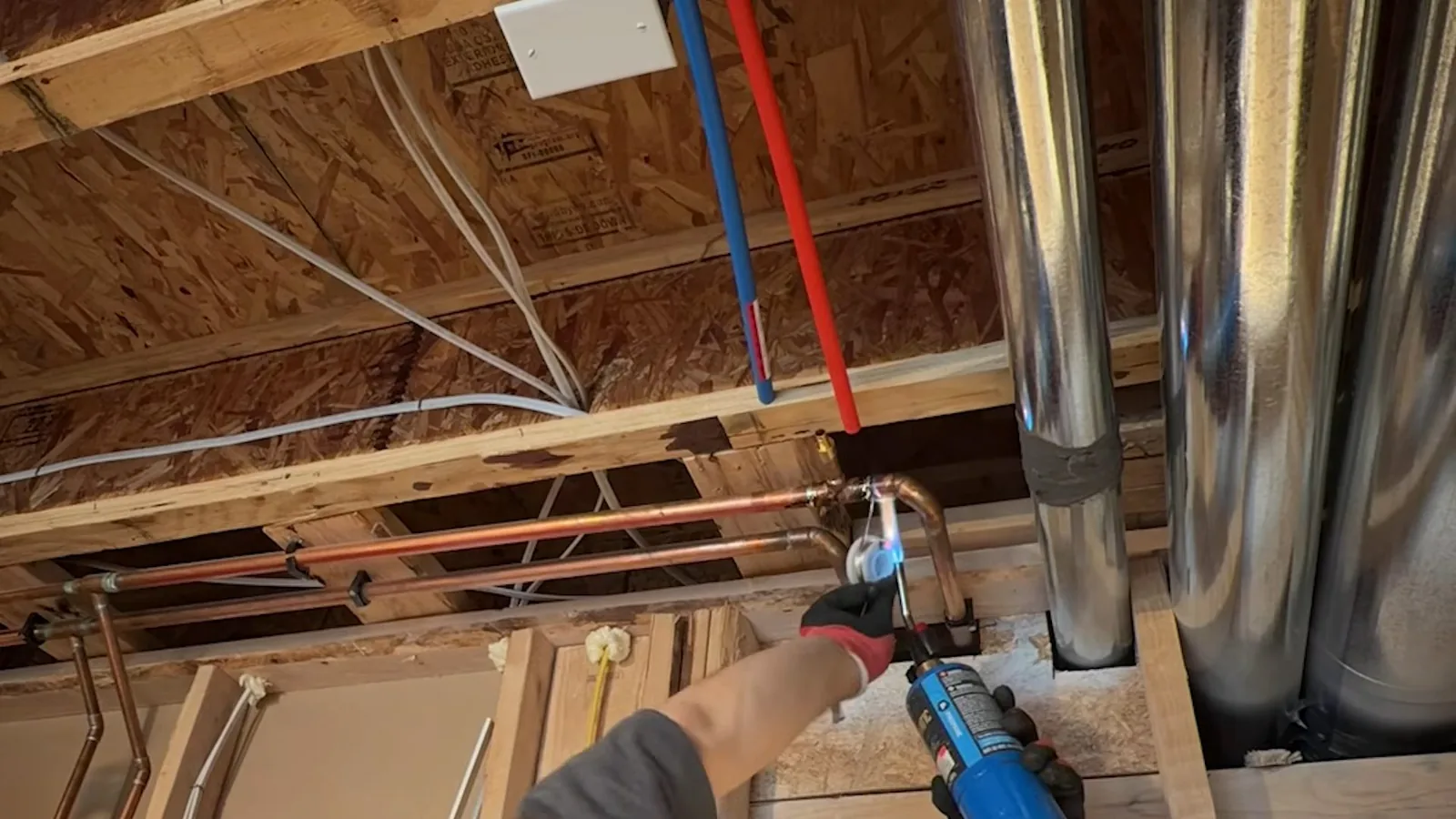
Copper is a common supply pipe, though we found no source that tells us what is in Artesia homes, so the plumber should identify what you have. Copper can develop pinhole leaks, tiny holes that spray a fine mist inside a wall or leave a green crust at a joint. A single pinhole in copper that is otherwise sound may be repaired. Several, in several places, point to a line wearing through, and home repiping then becomes the question. Ask the plumber how thick the pipe wall is where it was cut open, whether the inside looks pitted or scaled, and whether the failure looks like a joint problem or a wear problem. Copper that fails at a fitting is a different case from copper that fails along its length, and the answer changes whether a repair holds.
Galvanized, Cast Iron, CPVC and PEX: Which Pipe Is in Your Walls?
Galvanized steel rusts from the inside and narrows over time, which shows as low pressure and brown water before it shows as a leak. Cast iron is a drain pipe rather than a supply pipe, and PVC and CPVC are plastic pipes with different temperature ratings. PEX is a flexible plastic pipe that is common in repipes today. Polybutylene, a gray plastic pipe used in some homes decades ago, is a known problem pipe and is usually replaced.
A utility's survey of its service lines, which found no lead or galvanized steel in Golden State's Artesia System, speaks for the pipe between street and house. It does not speak for the pipes inside your walls, so ask the plumber to name the material before scoping a repipe, and ask again if the scope never says what the old pipe is.
Under-Slab and Underground Lines Versus Attic Routing
If the supply lines run under a concrete floor, they are hard to reach, and a leak there is hard to open. A repipe often abandons those lines and runs new ones through the attic or walls, which also makes later repairs easier. Ask the plumber whether the old lines will be capped, where, and what is done about the fixtures at the far ends. A line that serves only part of the house may be rerouted rather than abandoned. We could not find a source on whether most Artesia homes are built on slabs, so ask what your plumber finds.
Permits and Inspection for Pipe Replacement
Artesia's plumbing permit form lists replacement branch or fixture water piping, and other water piping, among its items. The plumbing code text we read on other cities' pages treats stopping a leak as exempt only if no pipe is replaced, so replacement is generally new work. Whether Artesia follows that wording as written was not confirmed. Find out who will pull the permit, phone Building and Safety at (562) 865-6262 if you want the City's view, and request the final inspection record afterward.
Also handled: cast iron, PVC and CPVC pipe, and emergency and same-day pipe calls.
Repiping and Pipe Repair Questions Answered
How is a burst pipe repaired?
The plumber cuts out the burst section and replaces it with new pipe and fittings, or replaces the line if the pipe is worn. Where the pipe is in a wall, a small opening is made and patched afterward.
Can pipes under or around a slab be repaired without a repipe?
Sometimes. A spot repair opens the floor over the leak. A reroute avoids the slab altogether. Which fits depends on the pipe and the leak count, and the plumber should explain each.
What should I do first when a pipe bursts?
Shut the main supply, open the lowest tap to drain the pipes, keep clear of wet electrical items, and call.
Can I turn the water back on after a burst pipe?
Not before the line is repaired or isolated. If a plumber isolates the damaged section, the rest of the house may be turned back on. Ask what is safe to use in the meantime.
Should I replace CPVC pipe, or can it be repaired?
A single crack in CPVC can often be repaired. Many cracks, brittle pipe or repeated failures argue for replacement. Ask the plumber what condition the pipe is in and why.
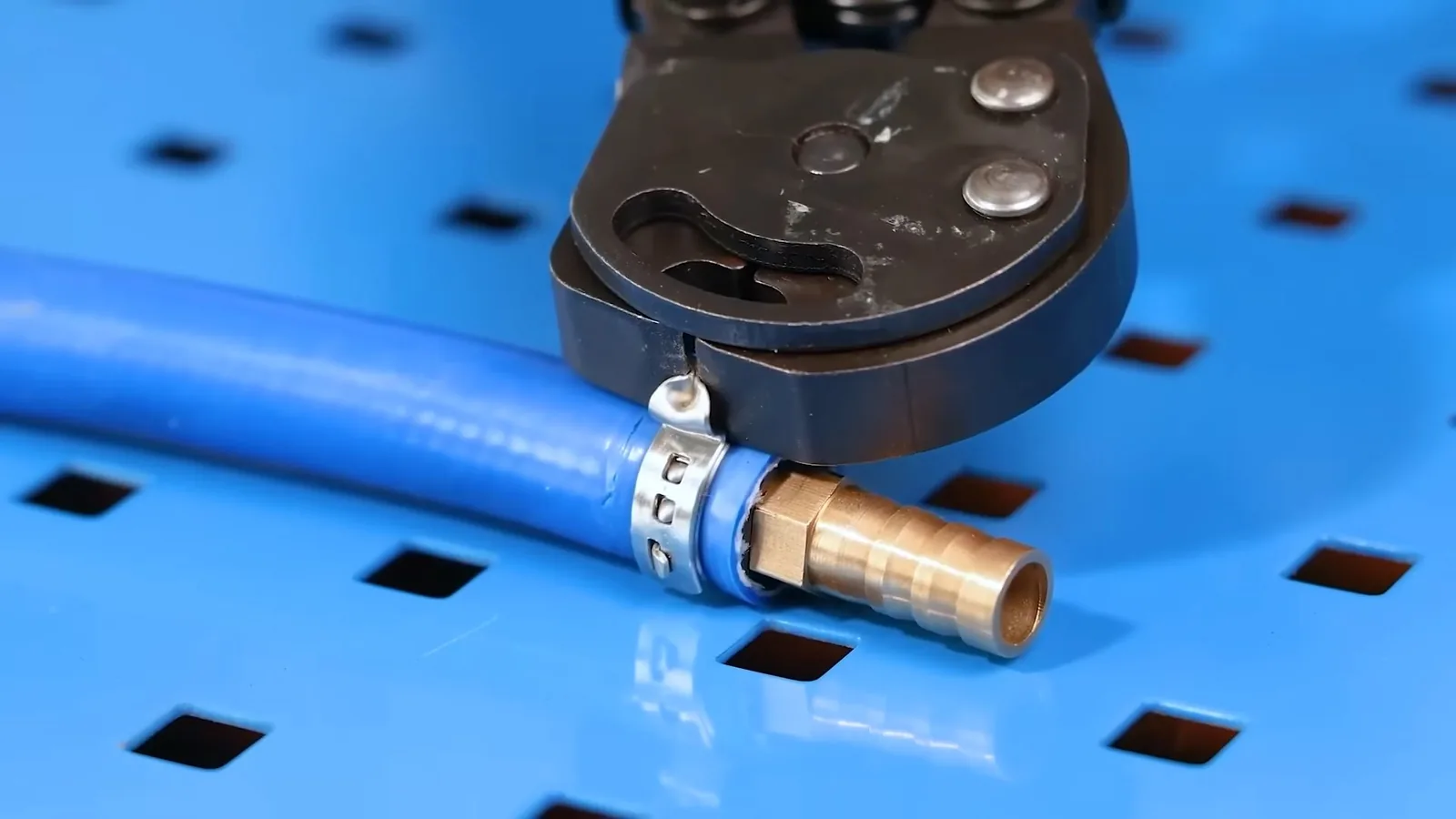
Repeat Leaks or a Burst Pipe? Call Now
Say what burst or leaked and whether the water is off, and a network plumber is lined up.
Call (562) 271-1710