
Home>Services>Sewer line repair
Sewage Backing Up Into the House? Emergency Sewer Line Repair in Artesia, CA
Many people assume a sewer backup is the city's problem. In Artesia the County maintains the sewer mains, but the pipe from your house to the main is yours. Call the dispatch line, say which fixtures are backing up, and the dispatcher finds you a network plumber who can tell the two apart.
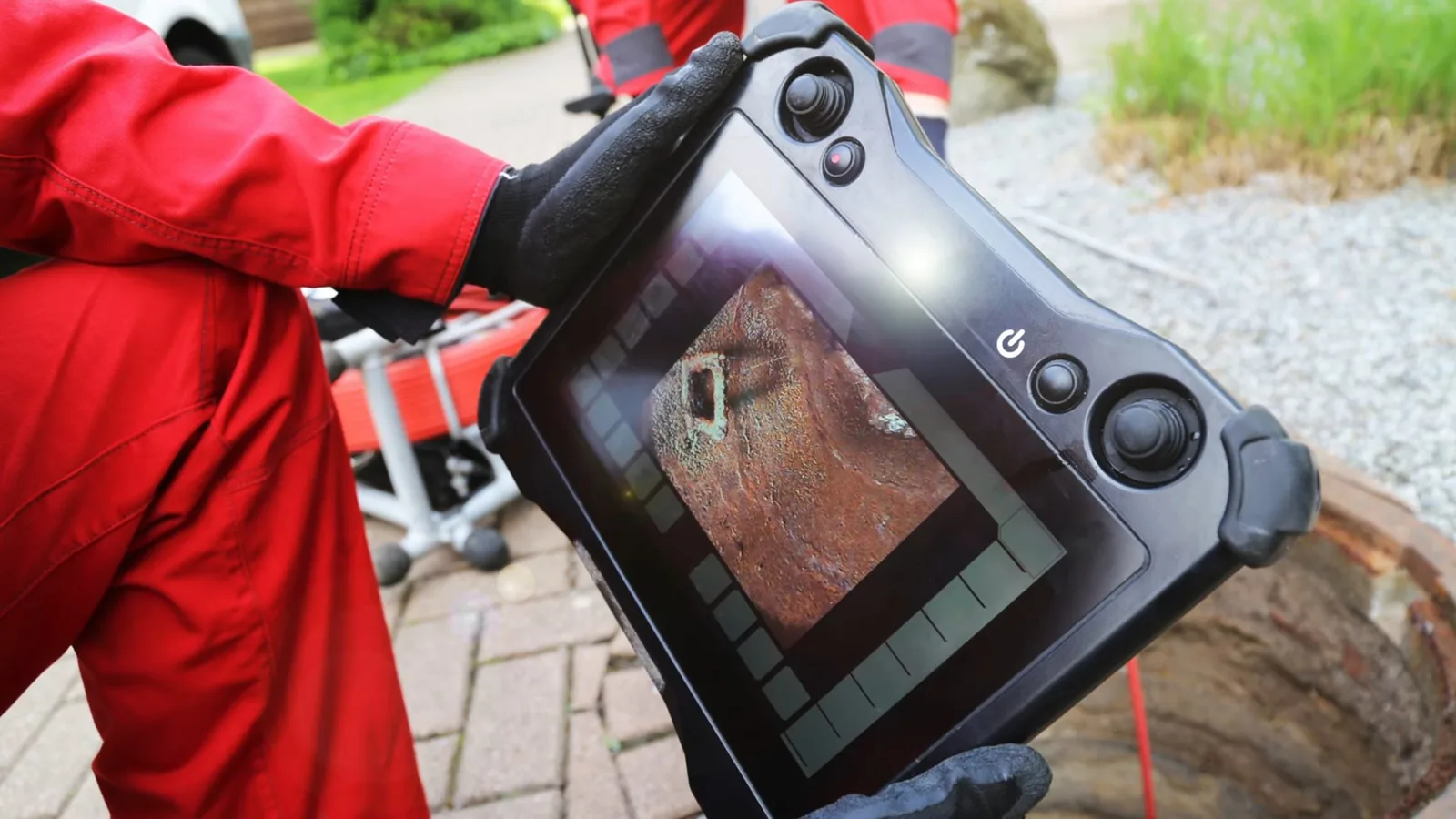
Whose Sewer Pipe Is Backing Up? Your Lateral or the County Main
A sewer line has two parts with two different owners. The lateral runs from your house to the sewer main under the street. The main runs along the street and collects from many homes. Knowing where a blockage sits decides who fixes it and who pays.
| Section | Who maintains it | Who to call |
|---|---|---|
| Pipe inside the house and under the yard, to the main | The property owner | A plumber |
| The cleanout, if there is one | The property owner | A plumber |
| Sewer main under the street | Los Angeles County, through its agreement with the City | The County at (800) 675-4357 |
| A backup affecting the whole street | Usually the main | The County first, then a plumber if your lateral needs clearing |
County maintains the City's sewer pipes
By agreement with the City, Los Angeles County Public Works maintains and operates Artesia's sewer pipes. The lateral from house to main is the owner's to maintain, according to a County inspection report from 2011 and an undated County newsletter that cites County code.
What to Do While Sewage Is Coming Up
- Stop using water. Do not flush, run the dishwasher or start a load of laundry.
- Note which fixtures are affected and where water is coming up, usually the lowest tub, shower or floor drain.
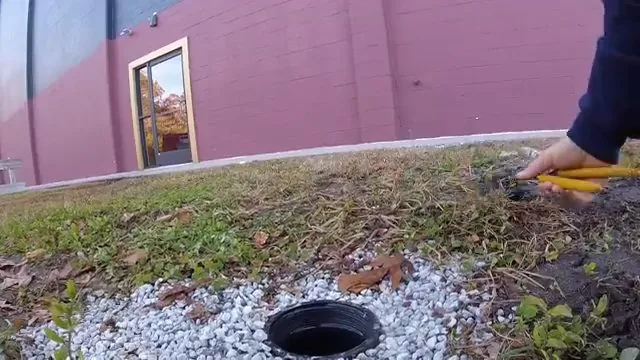
- Look outside for a cleanout and for any wet or sunken ground. Do not open the cap if sewage is pushing at it.
- Ask a neighbor whether their drains are slow too. If so, call the County about the main at (800) 675-4357.
- Call the dispatch line. If water is coming up now, say so first; the dispatcher will treat it as urgent.
A backup is a sewer backup whether it started in your lateral or in the main. The difference is who clears it. A plumber from our network clears the lateral, and the County clears the main. When the footage puts the blockage beyond your property line, ask for a copy and the measured distance from the cleanout, so the County gets a specific location.
SafetySewage carries bacteria. Keep children and pets out of the area, wear waterproof gloves for any contact, and wash after. Soaked drywall, carpet and insulation need to be removed and dried, which is described on the sewage cleanup Artesia page.
Call, say it is coming up, and the dispatcher will route the call as urgent.
Sewer Cleaning and Rooter Work: Clearing the Line Versus Fixing It
A mainline clog is the common reason for a cleaning. Cleaning a sewer line clears the blockage. It does not repair the pipe. A cable or a sewer jetting nozzle removes roots, grease and debris so water flows again, and a good plumber follows with a camera to see what caused the clog. If roots are cut and the pipe is sound, a regular cleaning schedule may be enough. If the camera shows cracks, offsets or collapsed sections, cleaning only buys time. For routine clogs in a single fixture, the drain cleaning page is the right place. After a cleaning, ask what was found, whether roots, grease, paper or a foreign object, how far from the cleanout the blockage sat, and whether the camera ran afterward. Roots tend to return to the same joint, so a root-related backup can come back. The footage tells you whether to schedule regular cleanings or fix the joint.
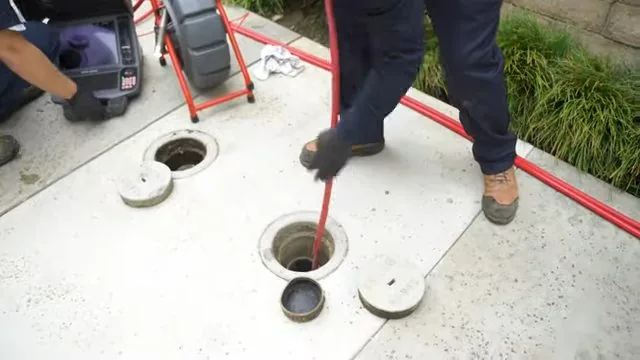
Sewer Camera Inspection: What the Footage Should Show
A sewer camera is a waterproof lens on a flexible rod that travels down the lateral and records the pipe's inside. Before any repair is quoted, ask what it showed. Good footage shows the whole run from the cleanout to the main, notes the pipe material, marks roots, cracks, offsets and sags, and tells you how many feet from the cleanout each one sits. Ask for a copy.
Older laterals can be cast iron, clay or Orangeburg, a pipe made from bonded fiber that softens with age. We found no source on which is common in Artesia. Sewer leak detection works the same way: the camera answers it for your pipe, and the answer shapes everything else, because each material fails differently. A sewer smell in the house, the yard or near a cleanout is a related sign: it can come from a dry trap, a cracked pipe or a failing joint, and the camera can separate them.
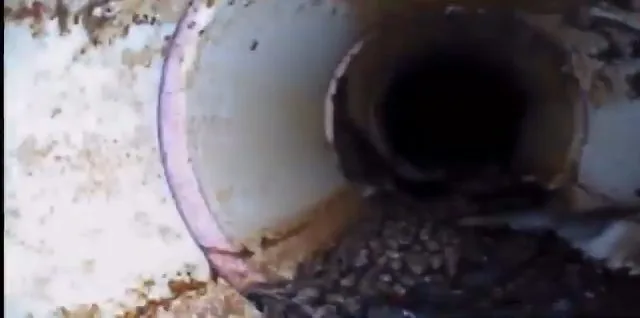
Sewer Repair: Fixing One Section Without Replacing the Line
If the camera shows one damaged section and the rest is sound, a spot repair cuts out the section and replaces it. The plumber digs only where needed, and the cost and mess are smaller than a full replacement. Ask where the dig will be, what gets restored afterward and whether the rest of the line was checked, so you are not repairing one failure while another waits behind it. A spot repair suits a single defect, such as a cracked section, a displaced joint or a root-damaged length, with sound pipe on both sides. Ask to see the footage of the pipe on either side of the repair and how the new piece will connect to the old, because the joint is where the next problem usually starts.
Trenchless Lining or Pipe Bursting: Is It an Option for Your Lateral?
Trenchless sewer repair fixes a pipe without opening a trench along its full length, in contrast to open-trench repair. Lining places a resin sleeve inside the old pipe. Pipe bursting pulls a new pipe through the old one while breaking it apart. Whether either works depends on the pipe's condition and the slope. A pipe with a bad sag, a severe offset or a collapse may not accept either method. Ask the plumber whether the camera footage supports a trenchless option, and what the alternative is. Lining needs a pipe that is still round and continuous enough to take the sleeve, and the plumber usually cleans and cameras it first. Pipe bursting needs access pits at each end. Both disturb less of the yard than an open trench, but neither removes the need to check the connection at the main, and the plumber's own terms, not ours, set what is covered afterward.
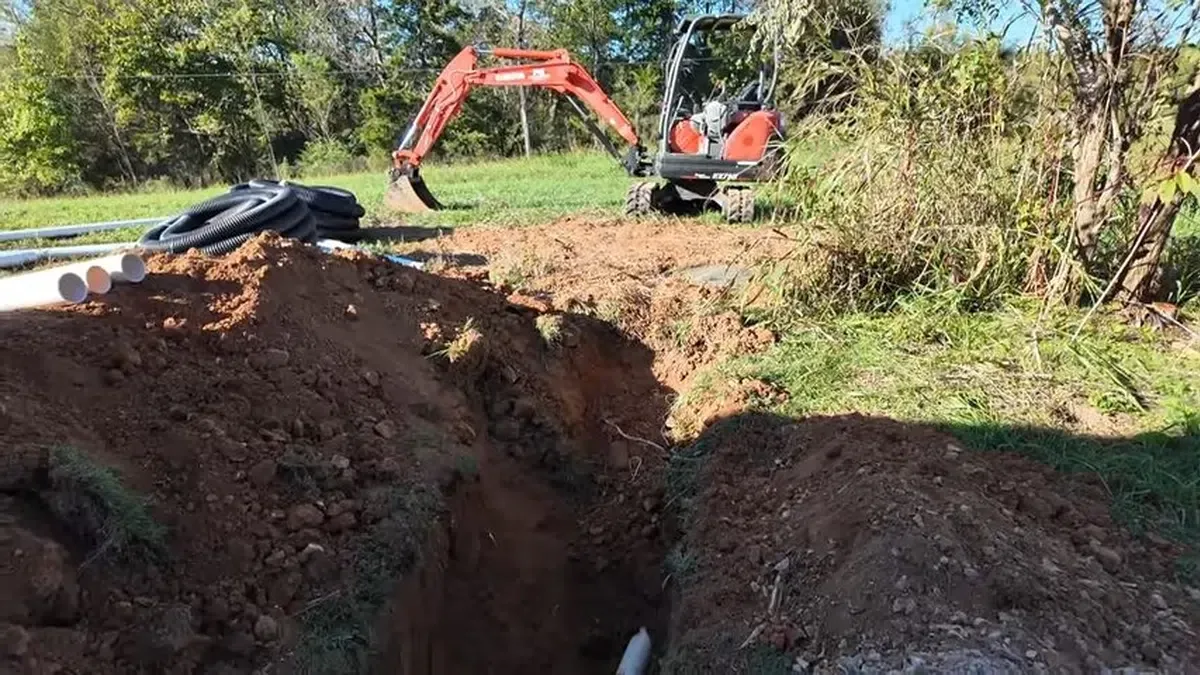
Sewer Line Replacement: When the Pipe Has Reached the End
To replace a sewer line means a new lateral from house to main, with excavation along its route. It is the answer when the pipe is collapsed, root-filled in many places or too offset to line. The plumber digs a trench or uses a trenchless method, connects to the main, and restores the surface. Because the work reaches the main, ask who inspects the connection. Before you agree, ask for the footage that justifies replacing instead of repairing, the route the new pipe will take, how trees, the driveway and other utilities will be protected along it, and when the permit inspection happens. Replacement is the largest sewer job, which makes it the one where a second look at the footage is most worth asking for.
Before Anyone Digs: 811, Permits and Paperwork
Anyone digging must call 811, the DigAlert center for Los Angeles and Orange counties, between fourteen days and two working days ahead. Ask to see the ticket number before a trench is opened. Artesia's plumbing permit form names drainage and vent piping repair, and a lateral replacement is new work rather than a stoppage cleared. Ask Building and Safety, (562) 865-6262, who pulls the permit, then ask for the permit number or the final inspection record.
A backup that cannot wait for office hours is treated as urgent; see emergency plumbing on the homepage for what follows.
Also handled: cleanouts, sewer smells and cast iron, clay and Orangeburg pipe, which are covered above.
Sewer Questions Before You Call
What are cast iron, clay and Orangeburg sewer pipes, and which do I have?
Cast iron rusts from the inside, clay cracks at joints, and Orangeburg, a pipe of bonded fiber, softens and deforms with age. A camera inspection shows which one your lateral is. Do not guess from the age of the house alone.
Why does my house smell like sewage?
A dried trap, a cracked or loose pipe, a blocked vent or a failing joint can all cause it. Run water in unused drains for a minute to refill the trap. If the smell persists, ask for a camera inspection and a check of the vents.
What if I suspect a sewer line leak?
Signs include a soggy or sunken spot in the yard, a persistent smell, or repeated backups. A camera inspection and, when needed, a pressure test locates the break. Ask for the footage and the distance from the cleanout.
Is a sewer camera inspection worth it?
It is worth it when a drain keeps clogging, after a backup, or before buying a house. It shows what caused the problem so you pay for the right repair. Ask for a copy of the footage.
Who do I call for a sewer backup?
If only your house is affected, call a plumber. If the whole street is, or the footage puts the blockage beyond your lot line, call Los Angeles County Public Works at (800) 675-4357. When in doubt, call the dispatch line.
Is a sewer scope the same as a regular home inspection?
No. A sewer scope is a camera inspection of the lateral that records the inside of the pipe. A general home inspection looks at the visible parts of the house. If you are buying, ask whether a scope is included, and ask for the footage.
Sewage Coming Up? Call the Dispatch Line Now
Tell the dispatcher which drains are backing up and since when. A network plumber is sent your way.
Call (562) 271-1710